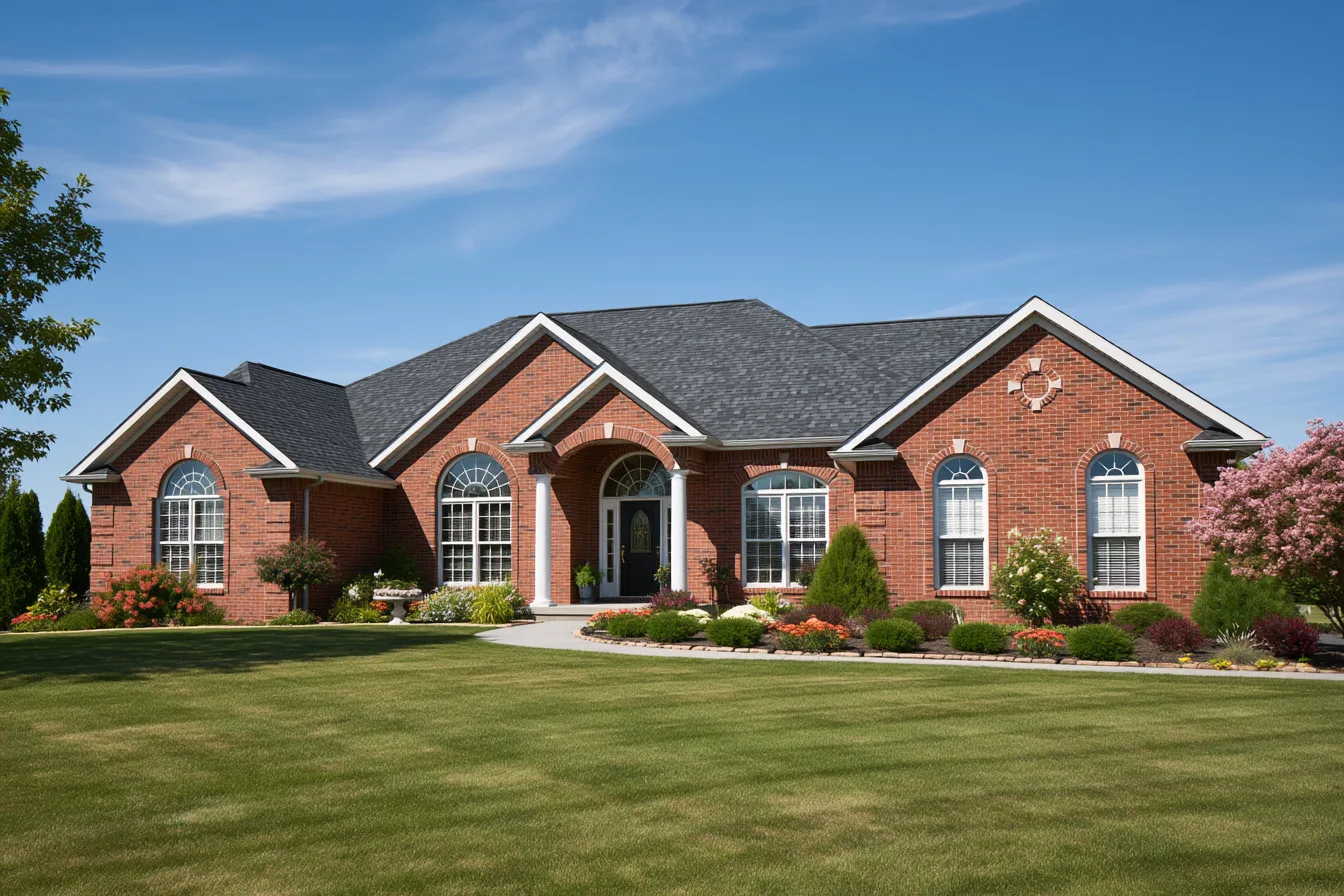
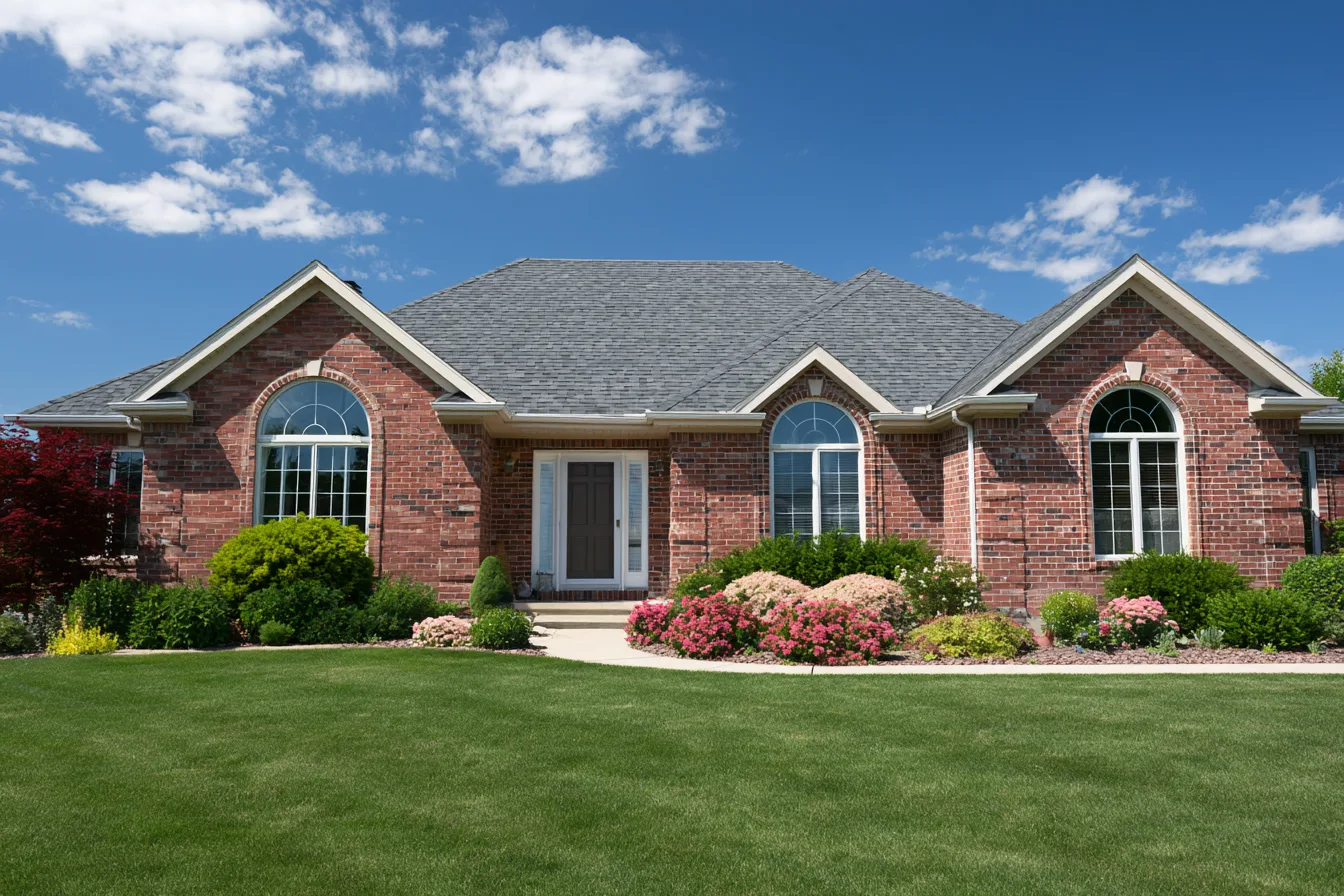
A brick ranch home with multiple gables wears a dark gray shingle roof under blue sky

Roofing in Ridgecrest, Midwest City

A Ridgecrest ranch has a building history and a separate roofing history. Start with a free inspection to understand the covering, its connections and what needs attention today.

Free roof inspection
Homes and commercial properties

Let’s take a look at your roof

Tell us where it is and what brought you here.

Ridgecrest homes were built bigger, and so were their roofs

Bill Atkinson laid out Ridgecrest in the early 1950s as the step up from the Original Mile: ranch homes with more house and more yard, sold with a Shetland pony from the barn beside his own home on North Midwest Boulevard. Seventy years on, the houses are still here, and so is the neighborhood association that meets about them.

A broad ranch roof can involve a substantial amount of material, but the house's age does not date that material. Replacement records, past repairs and the roof itself establish its history. An earlier covering could remain underneath, or a replacement may have taken everything down to the deck. That distinction helps explain the work needed now without assuming a 1950s house needs a new roof.

  • Development beganEarly 1950s
  • Sold asLarger ranch homes
  • Neighborhood associationActive

Context from KGOU's 2023 Midwest City history and the city's association directory. Development era is not the age of any roof.

A brick ranch home with arched windows and a gray shingle roof under a partly cloudy sky
Illustrative brick ranch under a shingle roof. Not a Ridgecrest property or a completed job.

What is under the shingles matters as much as the shingles

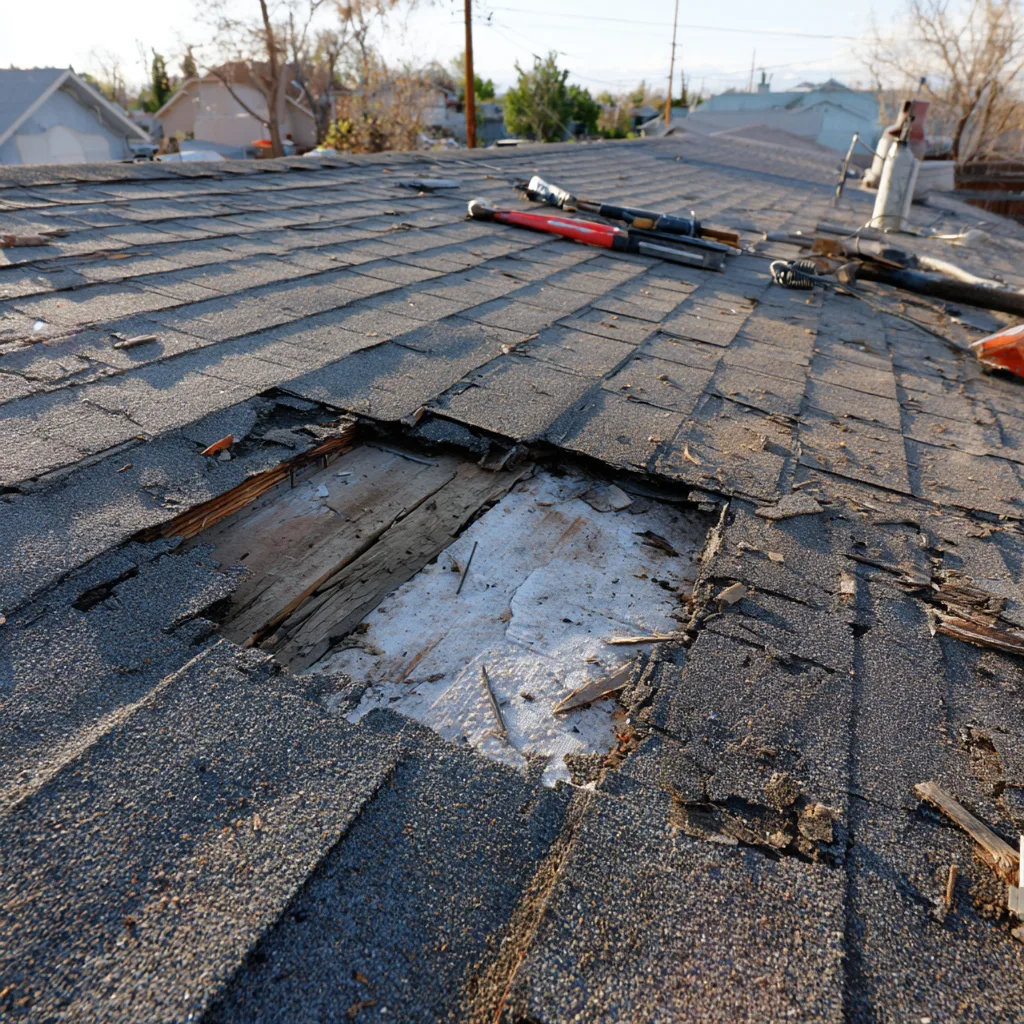
On an older house, find out what supports the shingles. If the deck uses individual boards, gaps, splits and softened wood affect where fasteners can hold. A nail that misses sound wood cannot provide the intended attachment. Additional roofing layers add weight and can conceal the condition below; records and accessible attic views help, but some deck conditions become clear only after roofing is removed.

That is why a replacement proposal on a Ridgecrest house should say what happens if bad boards turn up once the old roofing is off, priced per board or per sheet, instead of leaving it as a surprise on the final bill. Roof replacement explains the tear-off, deck and underlayment stages. A free inspection helps identify visible concerns and whether further investigation is needed before a repair or replacement scope can be settled.

Opening in a shingle roof exposing weathered decking with tools nearby
Old roofing opened to weathered board decking. Illustrative, not a local job.

Where an inspection concentrates on an older ranch roof

Shingles are one part of the assembly. These four checks help explain a leak or shape replacement planning during a free roof inspection, and it is why the answer for one ranch on the street can differ from the answer next door.

How many layers

An additional covering can hide earlier damage and adds material to remove if tear-off is needed. Confirm the number and type of layers, the support beneath them and the applicable reroof requirements before pricing a recover or replacement.

Chimney and wall flashings

Loose counterflashing, damaged masonry joints or a poorly joined wall flashing can admit water. Follow the actual entry point: a compatible sealant can belong in a specified flashing detail, but it cannot replace missing metal or correct a failed overlap.

Long, low slopes

A low pitch sheds water differently from a steep slope. Check that the covering and underlayment suit the measured pitch, then inspect valleys, lifted shingles and other paths for wind-driven rain. The roof's shape guides the inspection; it does not identify the leak by itself.

Attic ventilation

Blocked soffit openings or insulation against the eaves can interrupt intake airflow. Check intake, exhaust and the path between them together, along with indoor air leaks and moisture sources. Heat or dampness in an attic needs an explanation, rather than a diagnosis based on house age.

After hail crosses the east side, check the roof you cannot see from the yard

Hail can damage shingles without leaving pieces in the yard. On September 24, 2024, hail measured at two and a half inches was reported near I-240 and Sooner Road, a few miles south of Ridgecrest, and two-inch stones were reported in Del City. Impacts can fracture a shingle's reinforcing mat or dislodge protective granules. Those regional reports justify attention, but they do not establish what struck a particular roof or how that roof performed.

  • Granules collecting in the gutters or at the downspout outlets after a storm.
  • Dents in soft metal: gutters, vent caps, the mailbox, the car.
  • A ceiling stain that shows up weeks after a storm rather than the same night.
  • A neighbor's roof being replaced after the same storm.

These clues do not prove hail damage on your roof. An inspection can document the damage pattern; weather records and property history may help assess its cause and timing. Report what you actually know, including when you first noticed the problem, rather than assigning a nearby storm date to every mark.

Ridgecrest Roofing FAQs

Is a roof on a 1950s house automatically due for replacement?

No. The building date does not establish the current roof's age or condition. A localized repair needs compatible material, shingles that can be lifted and resealed without spreading damage, reliable attachment and sound support around the repair. Brittle material, widespread deterioration or moisture extending beyond the visible defect can enlarge the scope. Repeated leaks are a reason to investigate the cause and compare viable options, not automatic proof that the entire roof must go.

Can a repair match the shingles on a big, visible roof?

It depends on the product, its availability and how the existing roof has weathered. Compare samples on the actual visible slope before accepting a close match. A technically sound small repair may still show; weathering does not promise that the difference will disappear. If damage requires work across a slope, compare a complete slope with a smaller repair for both performance and appearance. The shingle options guide shows what current products look like beside each other.

My insurer wants to know when the damage happened. What do I tell them?

Tell them what you actually know: the storm date you remember, when you first noticed the problem, and what the inspection found. Oklahoma policies settle roof claims on actual cash value or replacement cost, and the insurance payments guide shows how the deductible and depreciation change the check. Do not guess at a date. An honest “not sure” causes less trouble than a wrong one.
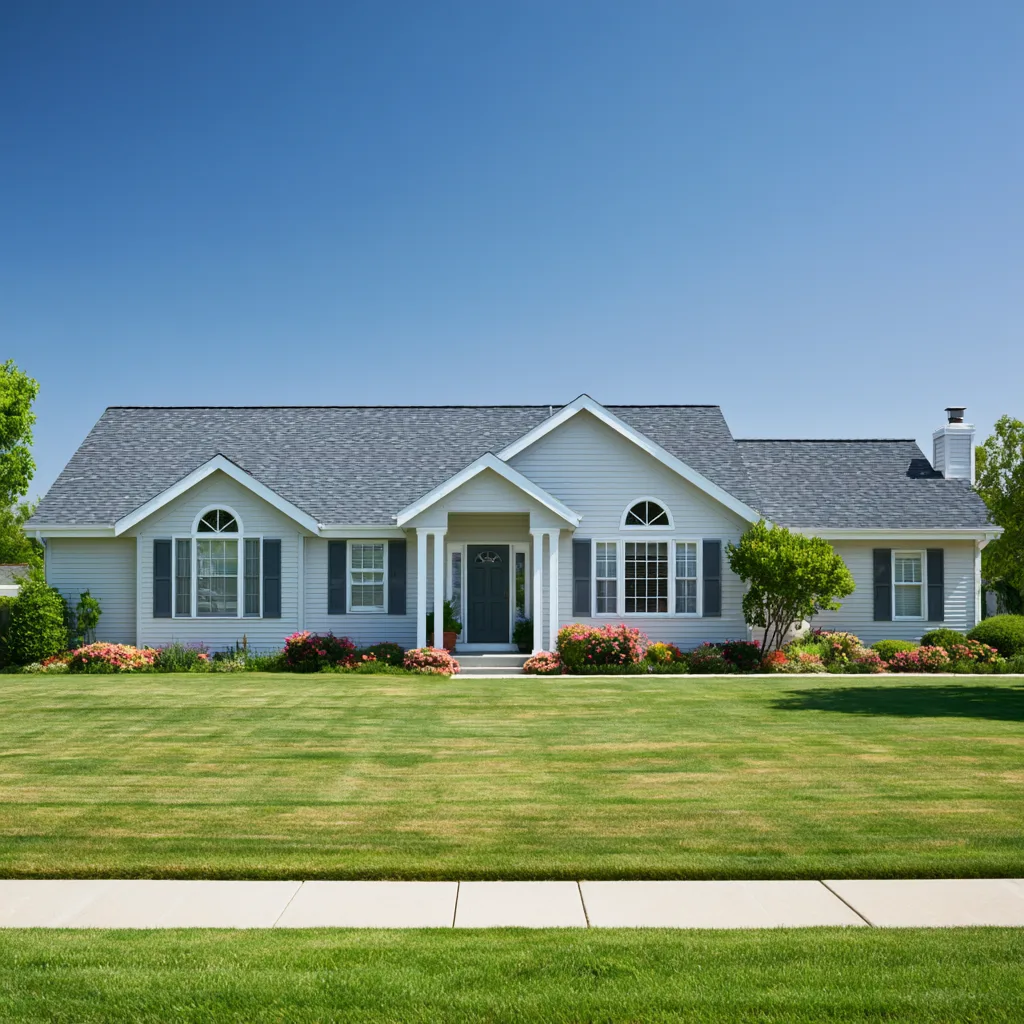
Single-story home with gray asphalt shingle roof and wide front lawn

Tell us what your Ridgecrest roof has been doing

The street, the stain, roughly when it started, a storm date if there was one. That is all a free inspection needs to get started on a Ridgecrest roof.

(405) 582-3434

Start with a free inspection

A few details are enough to begin.

Call (405) 582-3434Free roof inspection