The entry can be uphill from the stain
Water can follow the underside of decking or framing before it drops onto the ceiling. The roof inspection works back toward possible entries rather than assuming the opening sits directly above the mark.
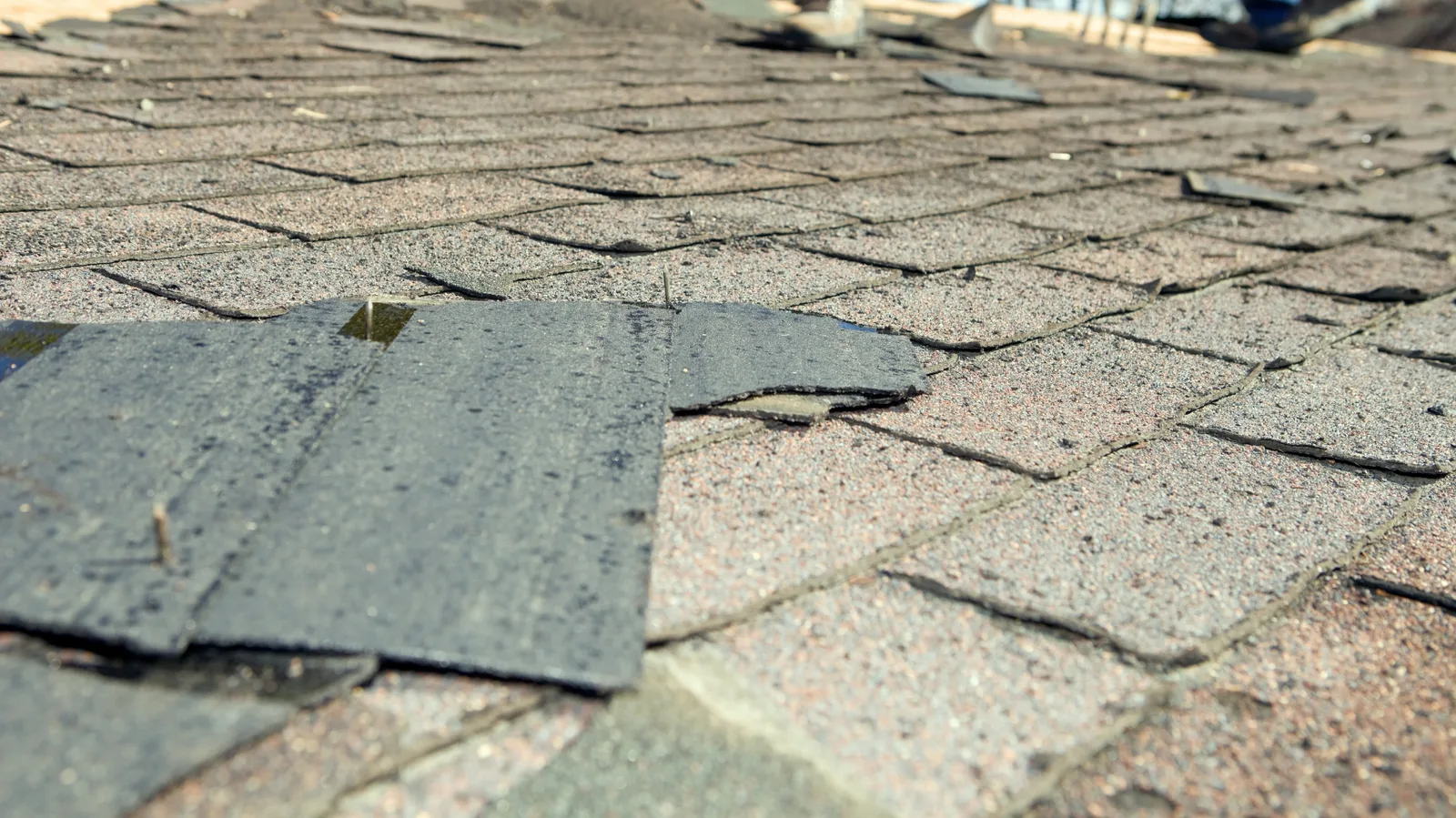
Start with the leak you noticed and understand how a roofer follows it to the source.
The room where water appears is useful information, even when it does not identify the roof opening. Use what you already noticed below. The response explains why the inspection follows that clue, what it cannot establish and how to stay safe while arranging help.
Choose the closest observation. This is an explanation tool, not a diagnosis.
Water can follow the underside of decking or framing before it drops onto the ceiling. The roof inspection works back toward possible entries rather than assuming the opening sits directly above the mark.
Flashing carries water across a change from roof to wall. An open overlap or failed connection can let water get behind the roof covering. Window, siding or masonry water entry can also resemble a roof leak.
A split vent boot can let water follow a pipe into the roof assembly. Plumbing leaks and condensation can also appear near these rooms. Timing and roof condition help establish the relevant trade.
Gutters, roof edges and a change to a lower porch slope affect how water leaves the house. An obstructed gutter is different from failed edge flashing or a covering unsuited to the slope.
A roof sheds water in overlapping layers. When water gets below a layer, it can run along a surface until it meets a joint, nail or edge. That is why the inside mark can grow or move while the roof opening stays in the same place.
A roof repair needs to restore the entry detail and address damaged material around it. Repainting the ceiling deals with the visible finish after the water problem is resolved; it does not close the roof.

Protect yourself first. Gathering more information is never a reason to enter an unsafe area.
A bulging ceiling, wet electrical fixture, unstable roof or fallen power line calls for immediate safety action. Use emergency services for immediate danger.
Move belongings away from water if the area is safe. A container under drips can reduce interior damage, but do not stand under an unstable ceiling.
Wet surfaces, damaged decking and ladders create risks that a photograph cannot resolve. Use observations and any photos you already have safely.
Tell us where the water appeared. A free roof inspection can help connect that clue to the actual work.