The base beneath the panels
Deck condition, removal or recover suitability and underlayment depend on the existing assembly and selected system.
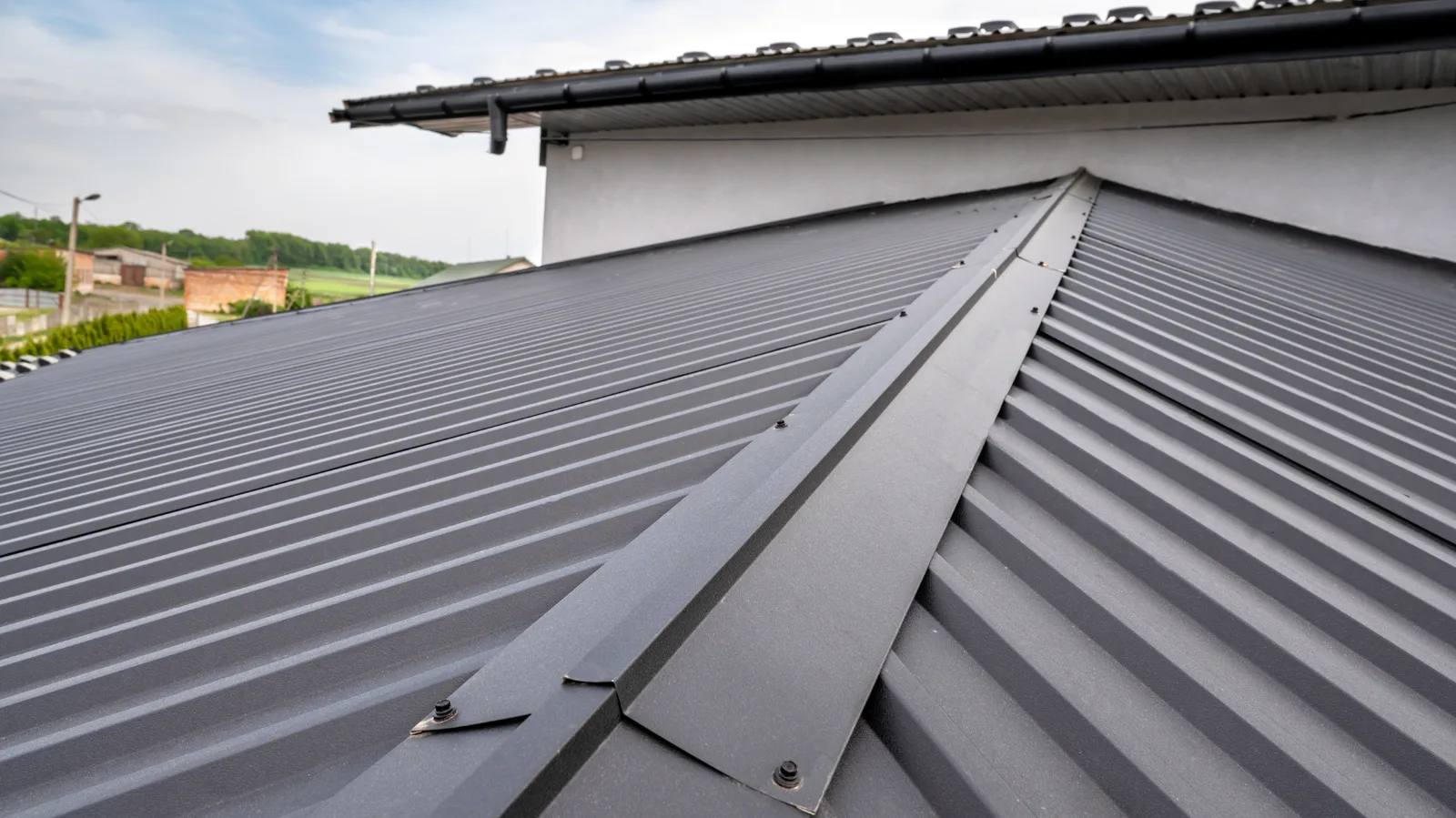
Metal roofing changes the covering, the attachment details and the way the roof handles movement. Explore the system before choosing the panel.
Standing-seam panels use raised seams and concealed attachment details. Exposed-fastener panels use screws through the panel face. Both require the correct slope, underlayment, trim and penetrations; a panel alone is not a roof system.
If you are switching from shingles, the replacement scope needs to account for the existing roof, deck condition and the transitions around the house. The panel price is only part of that job.
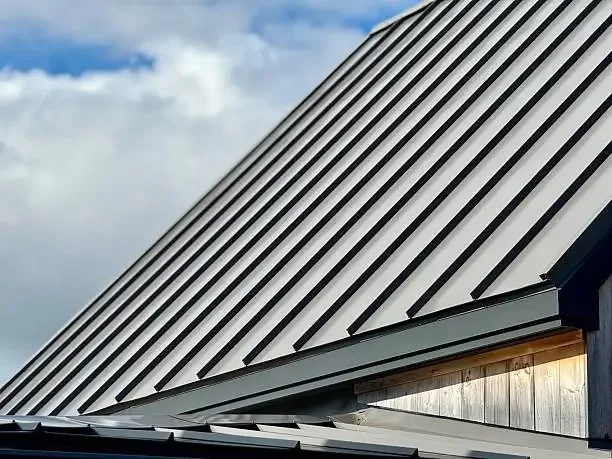
The choice is a difference in attachment and detail, as well as appearance.
Metal expands and contracts with temperature. Attachment and trim details have to allow the intended movement rather than fixing every part rigidly in place. Around a pipe, skylight or wall, the flashing must work with the panel profile and the selected system.
A patch that traps water or uses incompatible metal can create another problem. Repair work needs to match the existing panel, coating and connection, especially where a previous alteration has interrupted the original layout.
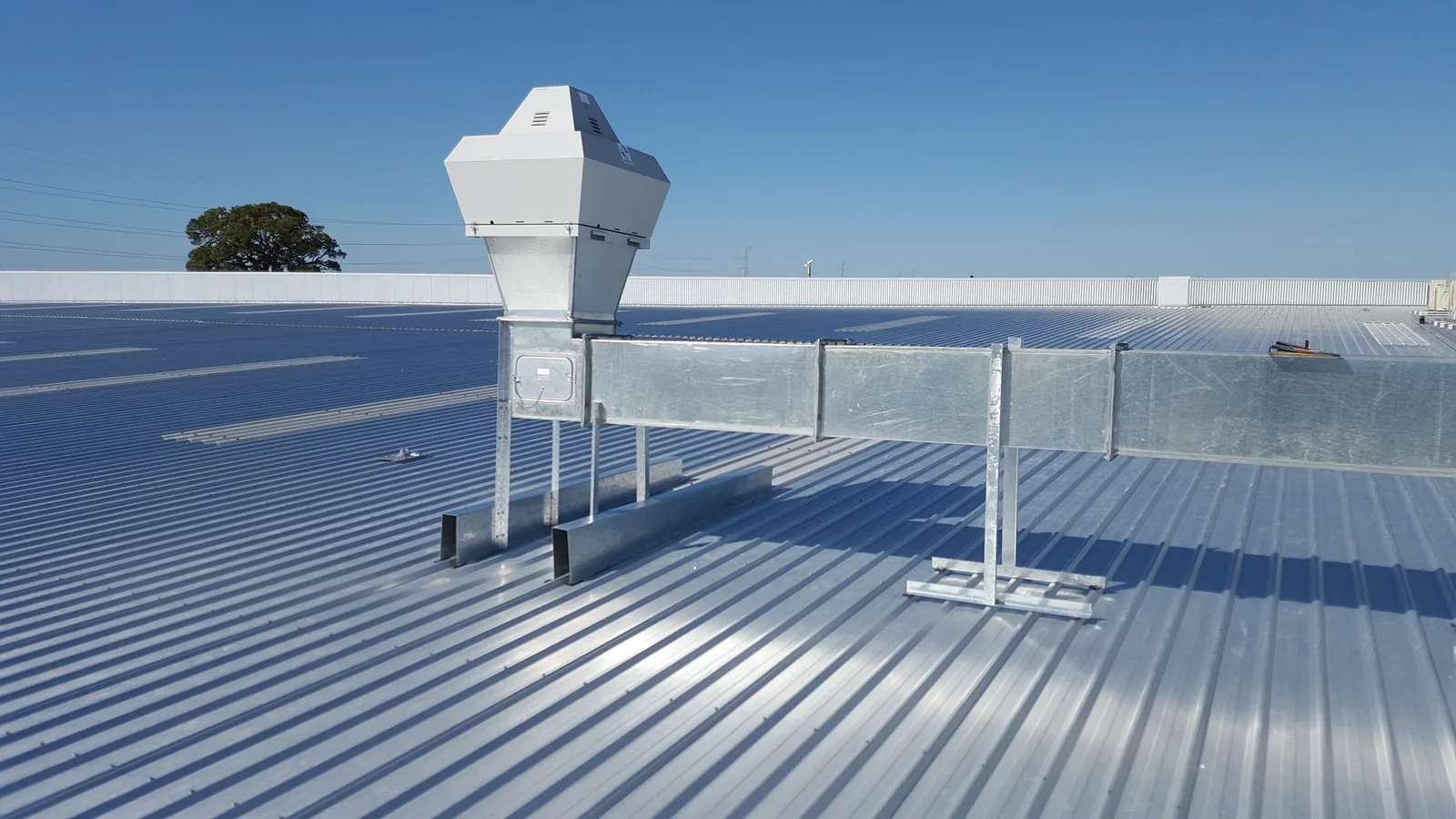
The complete scope turns a material idea into an actual roof.
Deck condition, removal or recover suitability and underlayment depend on the existing assembly and selected system.
Eaves, ridges, valleys, walls and penetrations each need the correct detail. Low-slope areas can call for a different system.
Finish, material and installation coverage differ. The warranty guide explains which party and terms apply to each concern.
Tell us whether you are planning a replacement or dealing with an existing metal roof. Start with a free inspection.