Architectural shingles
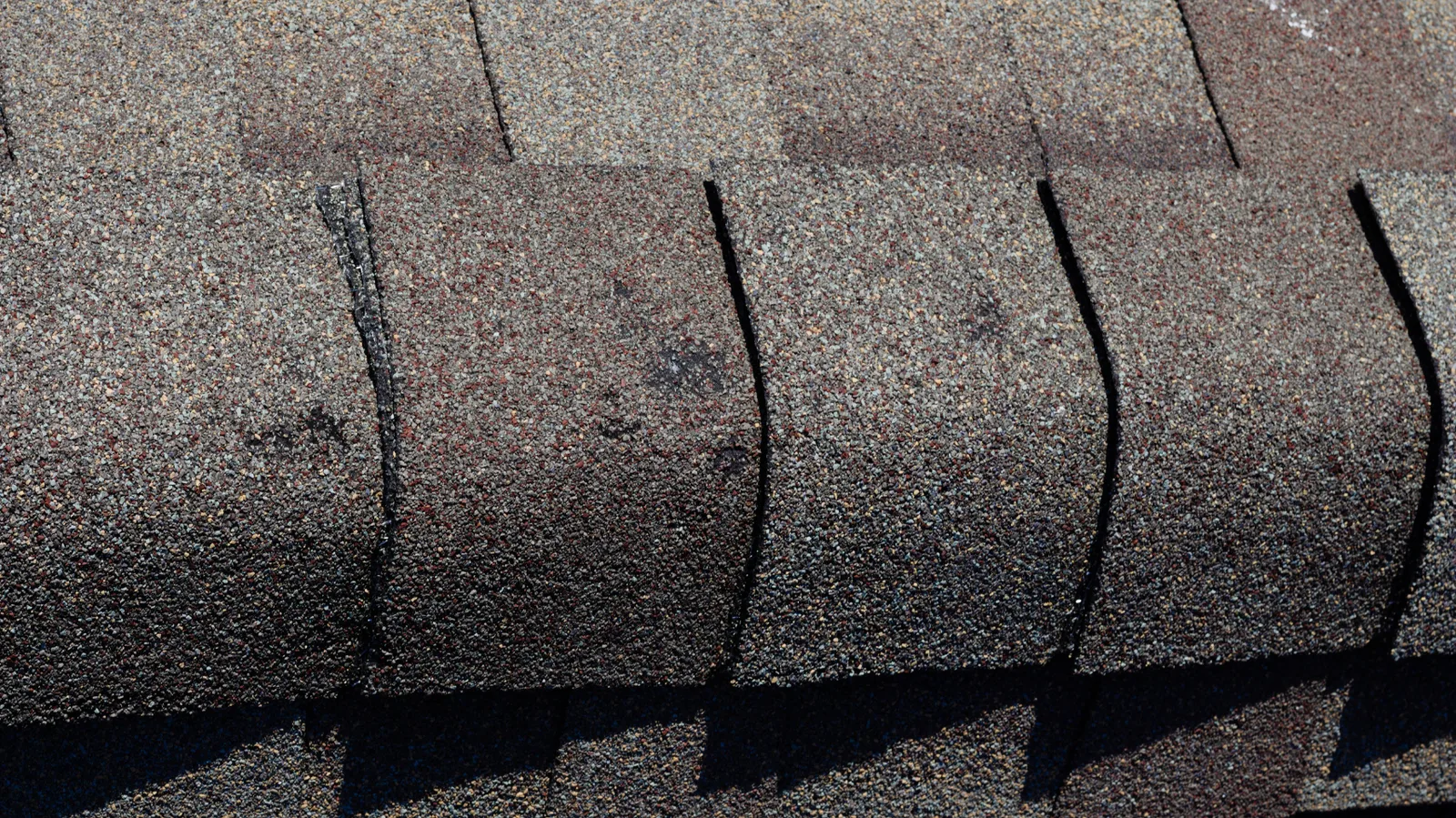
Laminated layers give these shingles depth and a varied pattern. The shingle options guide explains how they differ from 3-tab and designer products.
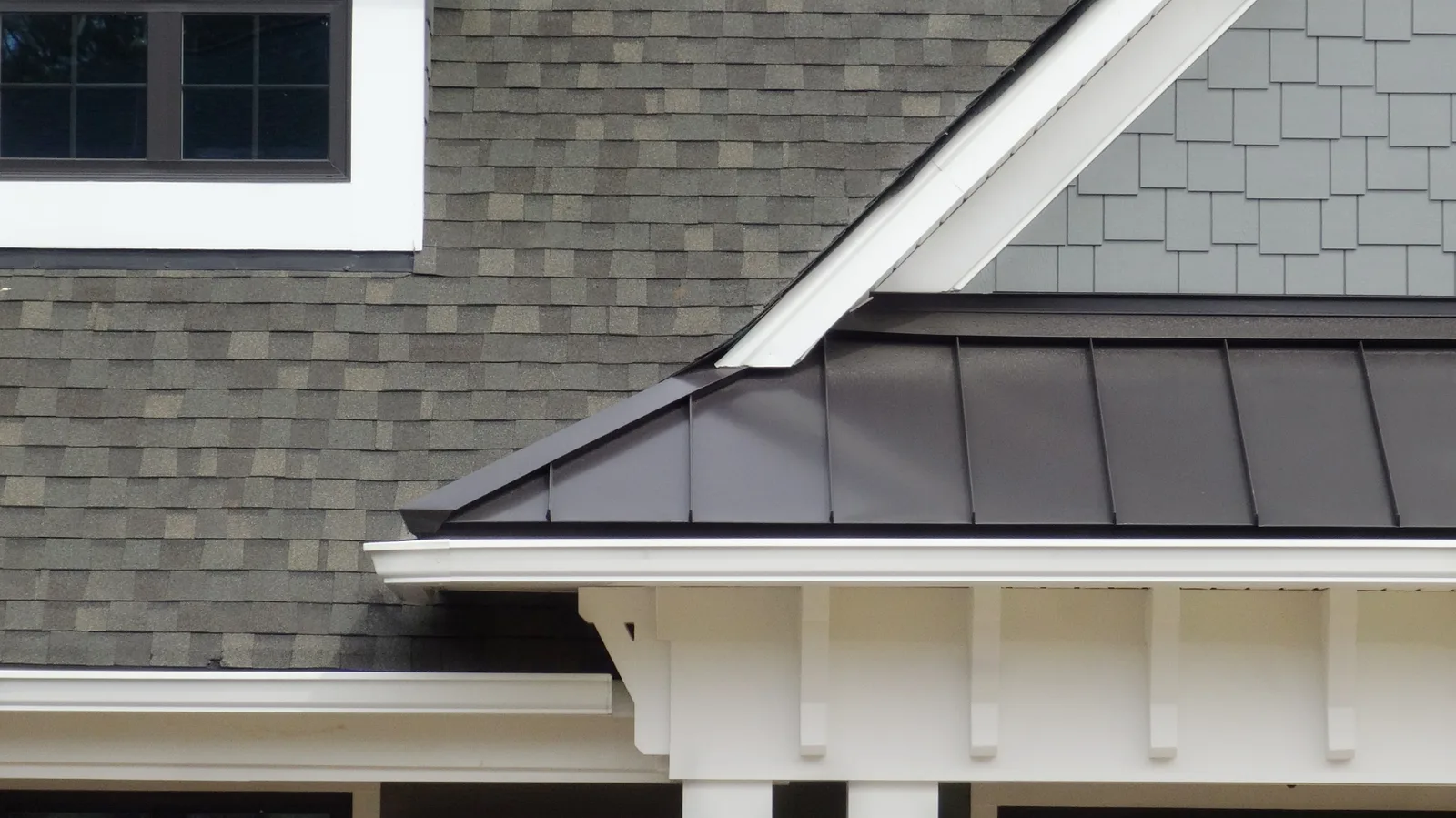
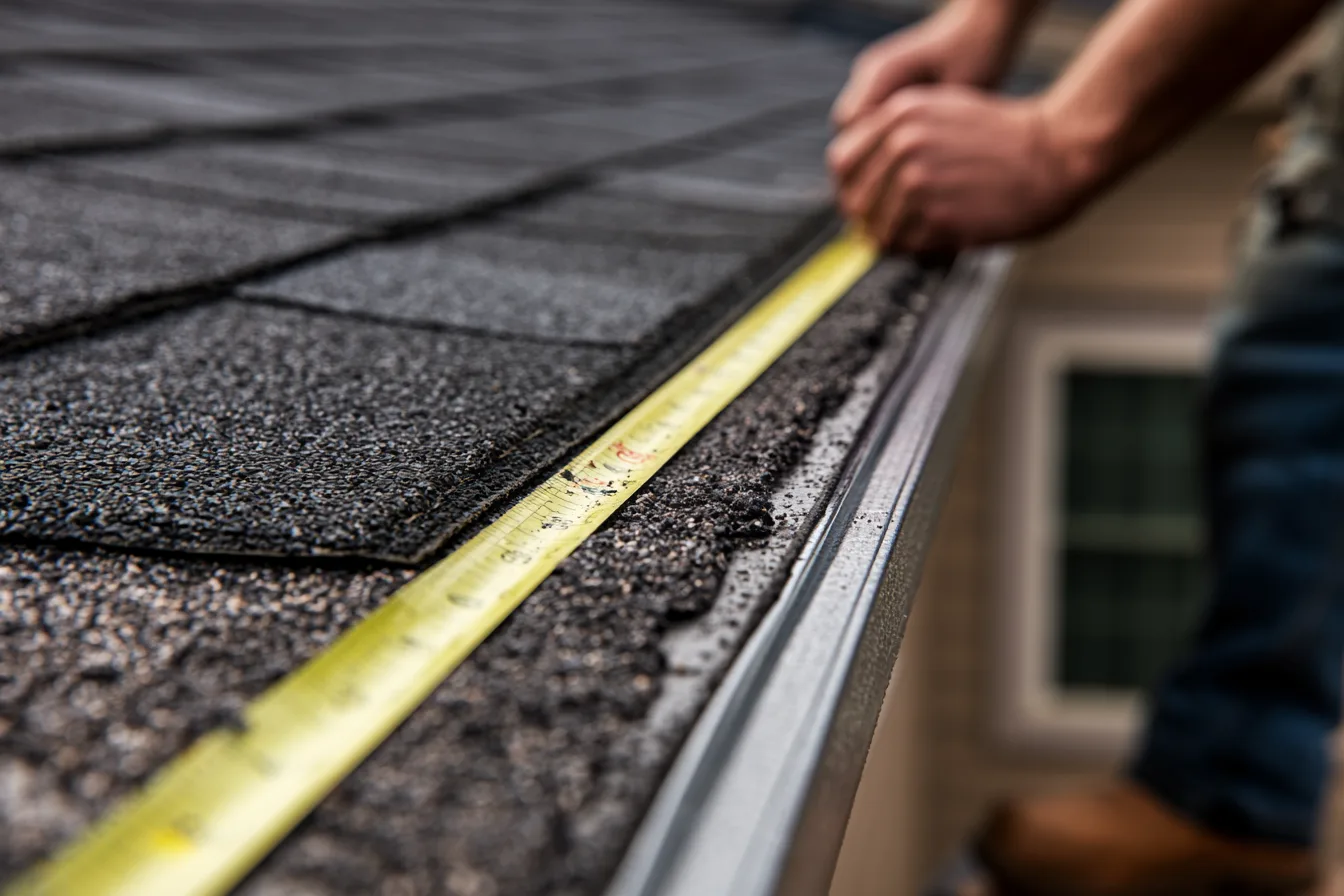
When repairs no longer give the roof a sound future, replacement puts the covering and the details beneath it back into one complete system.
A missing shingle does not by itself mean the whole roof is finished. The surrounding material matters. If shingles still lift without cracking and the damage stays in one area, a repair can be a sound choice. If the covering breaks during ordinary repair work or deterioration extends across several slopes, adding another patch leaves the larger problem in place.
Roof replacement in Midwest City starts with that distinction. A free roof inspection gives the decision a roof-level basis before you commit to the size of the project.

The new surface is the visible result. The work beneath and around it determines how it functions.
Removing the existing covering exposes the deck. The work area and weather window govern how much roof can be safely opened at a time.
Unsound sheathing needs repair. Underlayment, edge metal, valleys, pipe flashings and ventilation must fit the selected roof system.
Starter courses, field shingles and ridge caps work together. Fastening and installation follow the selected product’s requirements, then debris and the finished work need attention.
Construction, appearance and tested impact performance are separate choices. A heavier-looking shingle does not automatically carry a higher impact rating.
Laminated layers give these shingles depth and a varied pattern. The shingle options guide explains how they differ from 3-tab and designer products.
A documented laboratory rating adds a useful performance comparison. It does not make the roof hail-proof or guarantee an insurance discount.
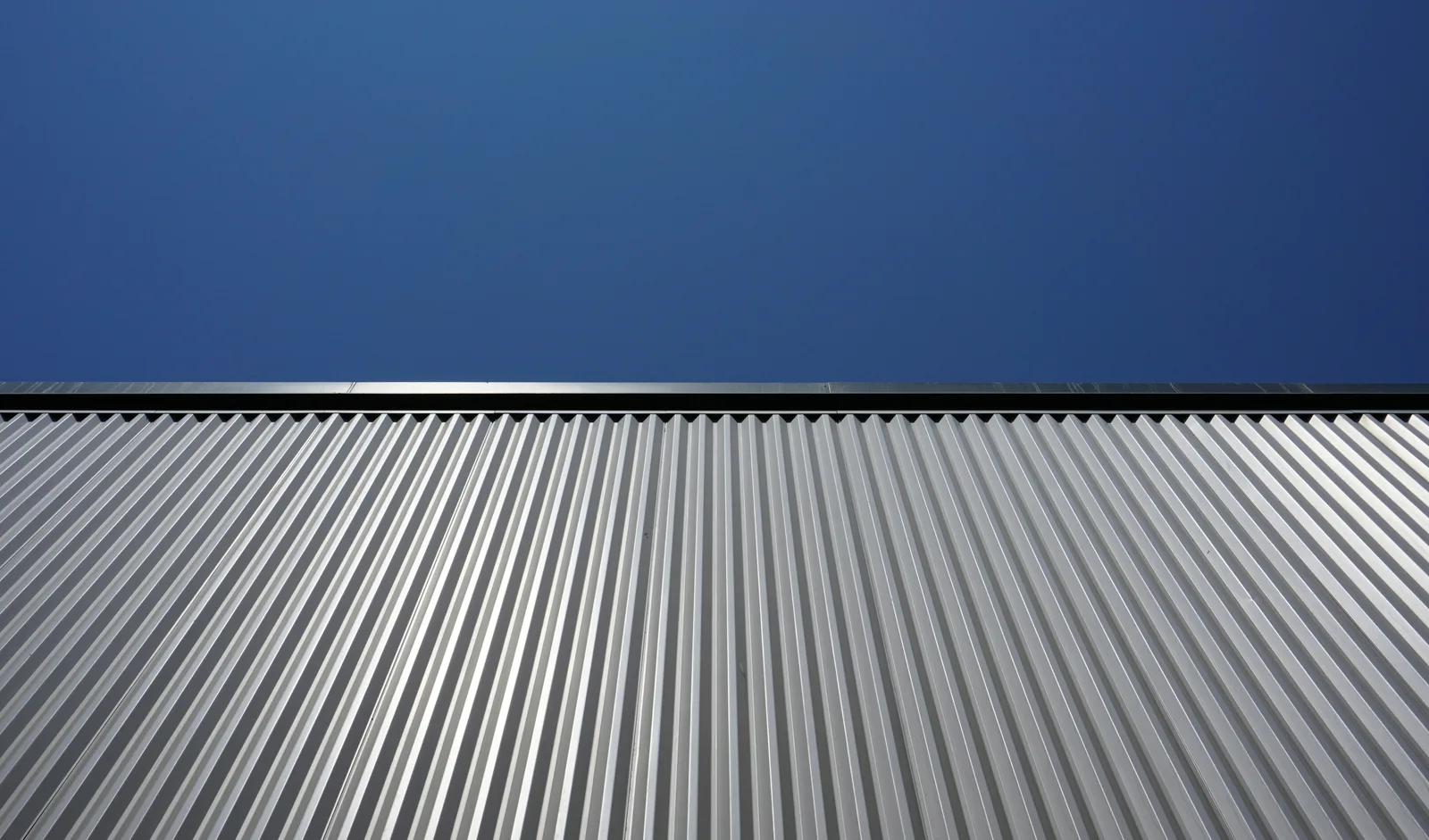
Panel design, trim and attachment change both appearance and scope. Explore metal roofing if you are considering a different system rather than another shingle roof.
Roof area is only one part of the price. Extra tear-off layers add handling and disposal. Steep or cut-up slopes increase access and detail work. Deteriorated sheathing is a different item from the shingles above it, and some of it remains concealed until removal.
The roof cost guide puts repair and replacement spending in context. A project proposal should identify the covering and known work, and explain how newly exposed deck damage changes the scope. That is more useful than assuming a house-size figure is a roof measurement.
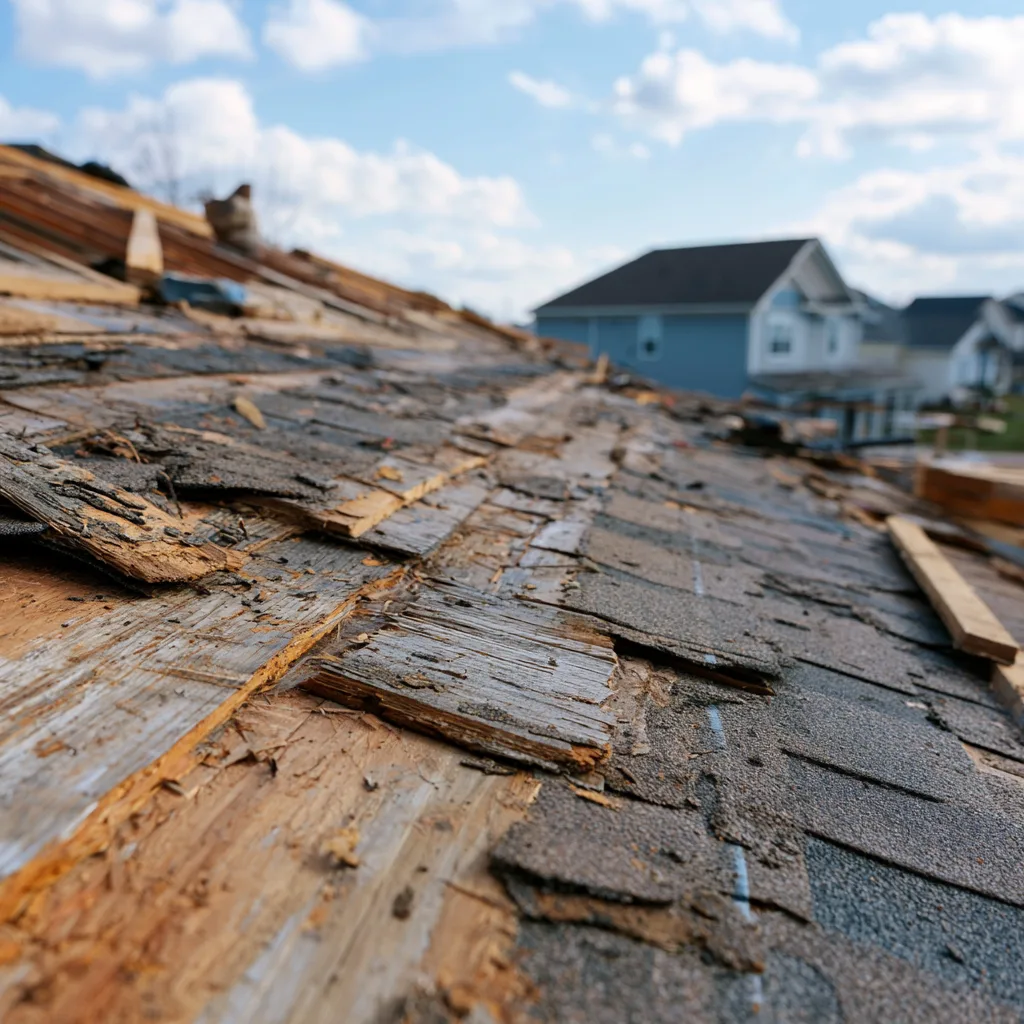
An overlay leaves the old layers and deck concealed. Existing layers, deck condition, weight, product instructions and local requirements decide whether it is allowed or sensible. Replacement with removal gives access to the base; an overlay is not a shortcut around damaged sheathing.
Roof size, slopes, removal, concealed repairs and the weather set the schedule. The project needs a workable dry-in sequence before removal begins. No fixed completion time fits every roof.
Product coverage and installation coverage come from different parties and have different terms. The roof warranty guide explains the distinction; the actual selected products and contractor agreement determine the coverage.
Tell us what has changed, or simply that you are planning ahead. Request a free inspection before deciding how much roof work to take on.