Removal and replacement
Removal opens the existing assembly for moisture and deck repairs. It is the relevant direction when the retained layers would leave an unsuitable base.
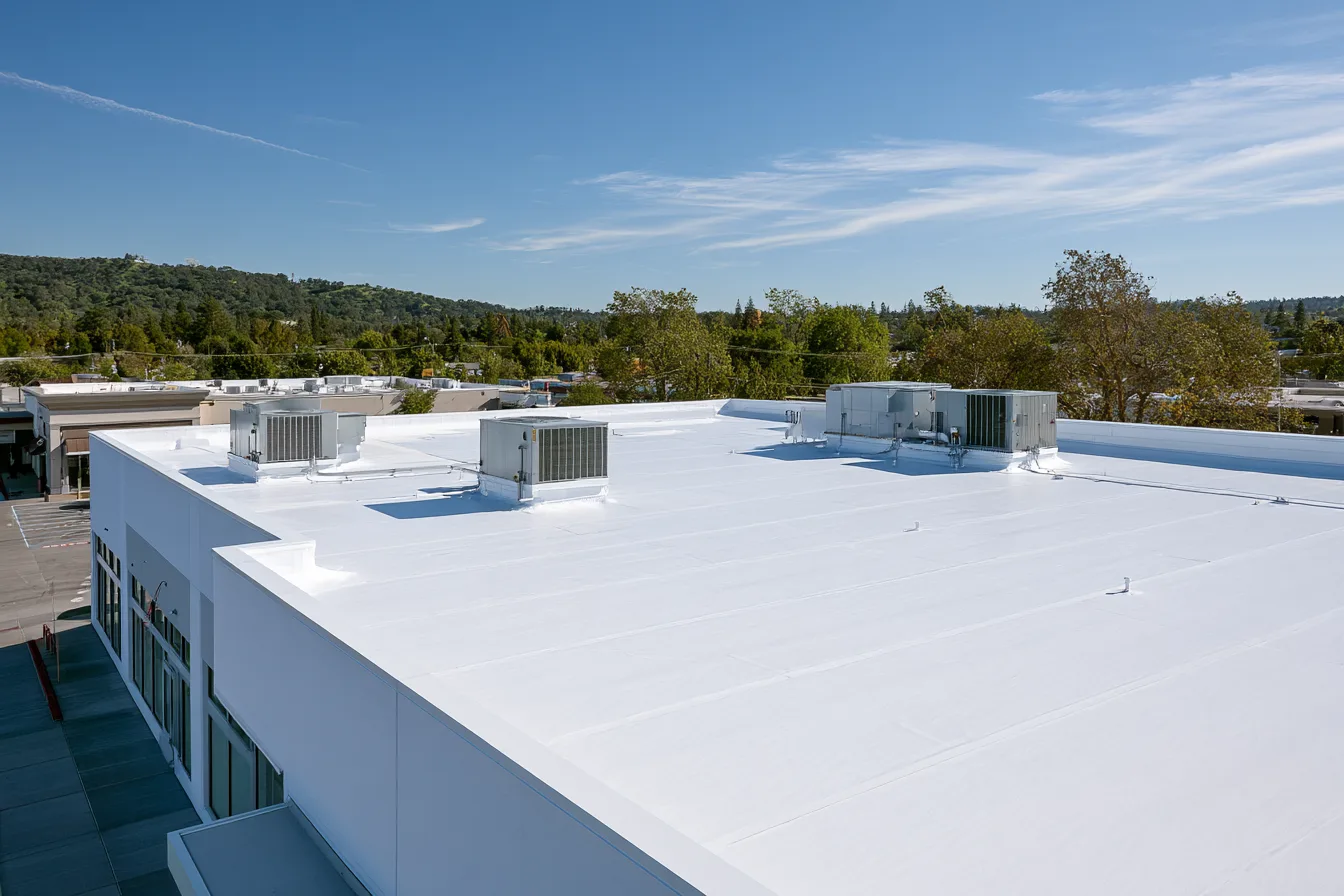
TPO is a single-ply membrane used on low-slope roofs. The right Midwest City project starts with a complete assembly, including the base, attachment, seams and drainage.
TPO, short for thermoplastic polyolefin, covers the roof with sheets joined by heat-welded seams. Beneath it, the deck, insulation and any cover board carry the surface and affect how it performs. The attachment must suit the building and the designed assembly.
A reflective membrane can change the roof’s surface temperature, but it does not establish a specific energy saving for every building. Insulation, building use and the rest of the enclosure still matter. Start with the required roof system, not a promise attached to its color.
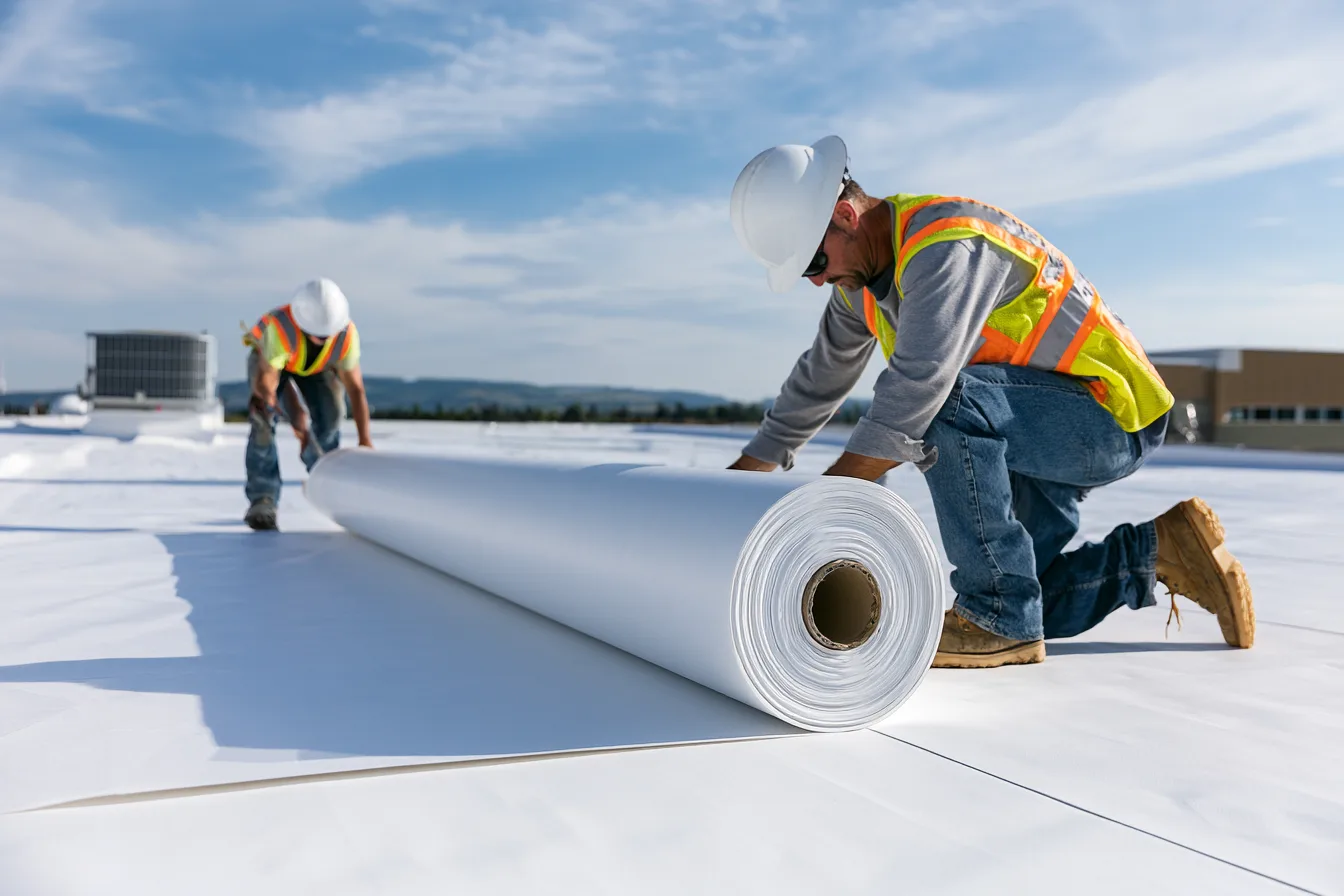
The exact installation follows the chosen system specification and building requirements.
Removal or recover decisions come first. Wet or unsound materials must be addressed, and the deck must support the planned system.
Insulation, cover board where specified and attachment are installed in the designed arrangement. Tapered insulation can be part of a drainage solution.
Sheet laps are heat welded. Curbs, walls, pipes and perimeters need matching details, and seams need evaluation as part of installation.
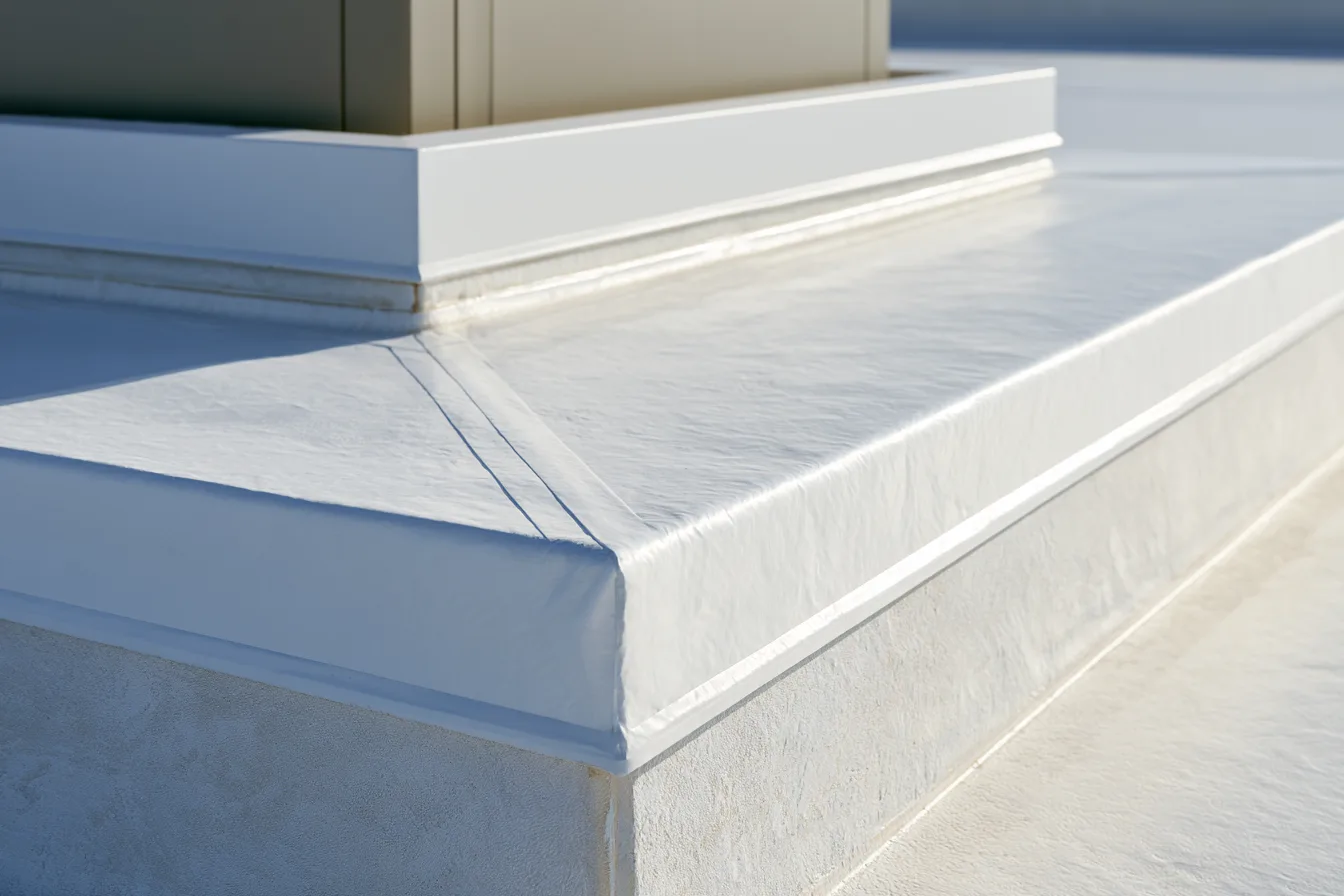
A broad sheet has to turn up at walls and equipment curbs without leaving a route behind it. Corners, transitions and penetrations put several details close together. The material, preparation and welding must fit those changes in shape.
For an existing roof with a local leak, flat-roof repair begins with those connections and the surrounding membrane. The fact that the roof is TPO does not automatically make a full replacement necessary.
A recover retains suitable existing layers beneath a new system. Eligibility is a roof condition question, not simply a way to avoid disposal.
Removal opens the existing assembly for moisture and deck repairs. It is the relevant direction when the retained layers would leave an unsuitable base.
The existing roof must be structurally sound and compatible with the new assembly. GAF’s recover guidance identifies moisture and deterioration as important limits. Existing layers and code requirements also matter.
A membrane thickness by itself does not describe the project price or the quality of the proposed roof.
Adhered, mechanically attached and other designed systems have different material and labor needs. The deck and wind design influence the choice.
Required insulation, taper, drains and cover board can materially change the scope. Retaining wet insulation to lower the price is not the same project.
Perimeters, curbs, penetrations, access and occupied-building restrictions contribute work beyond the open field. Product and installation warranty terms remain system-specific.
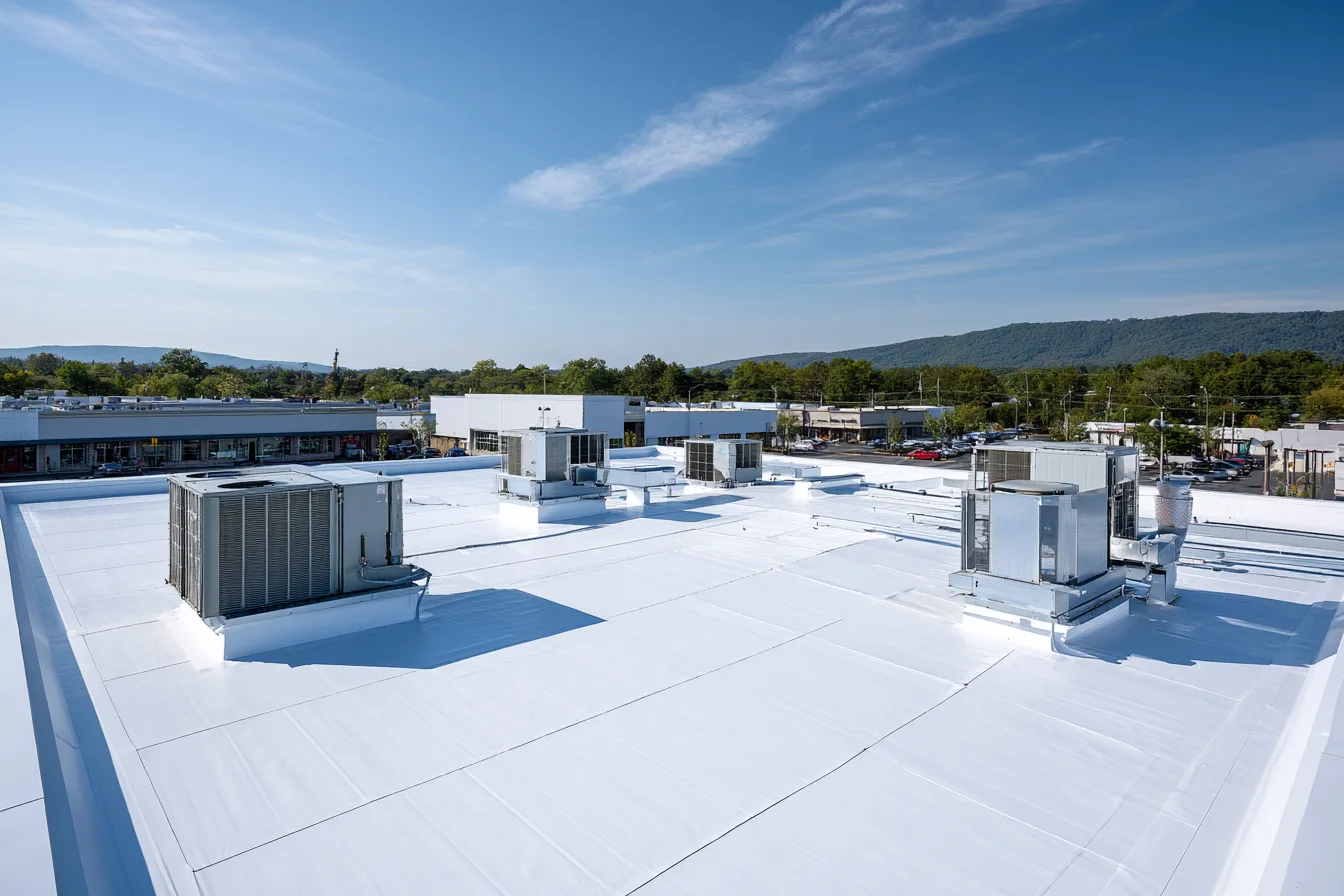
Tell us whether the roof is leaking, approaching replacement or part of a larger building project. Start with a free inspection.