A later penetration
New rooftop equipment, a vent or another opening changes the roof detail. That work should remain compatible with the system and its terms.

Understand product, workmanship and insurance coverage as three different kinds of protection.
A manufacturer’s product warranty, a contractor’s workmanship coverage and a homeowners insurance policy address different problems. The useful question is which promise applies to the failure, not which document has the longest number on its cover.
For an example of product-specific terms and limitations, see GAF’s warranty information. No manufacturer program or contractor warranty is promised by this website.
Coverage can change over time. A warranty may begin with a period that pays differently from later prorated coverage. The remedy may address material rather than every labor or removal cost, and exclusions can apply to ventilation, installation, outside damage or other conditions.
The products, accessories, installation requirements and any registration or transfer provisions determine the actual protection. The word “lifetime” does not by itself say how long a roof will last or that any future leak will be paid for.
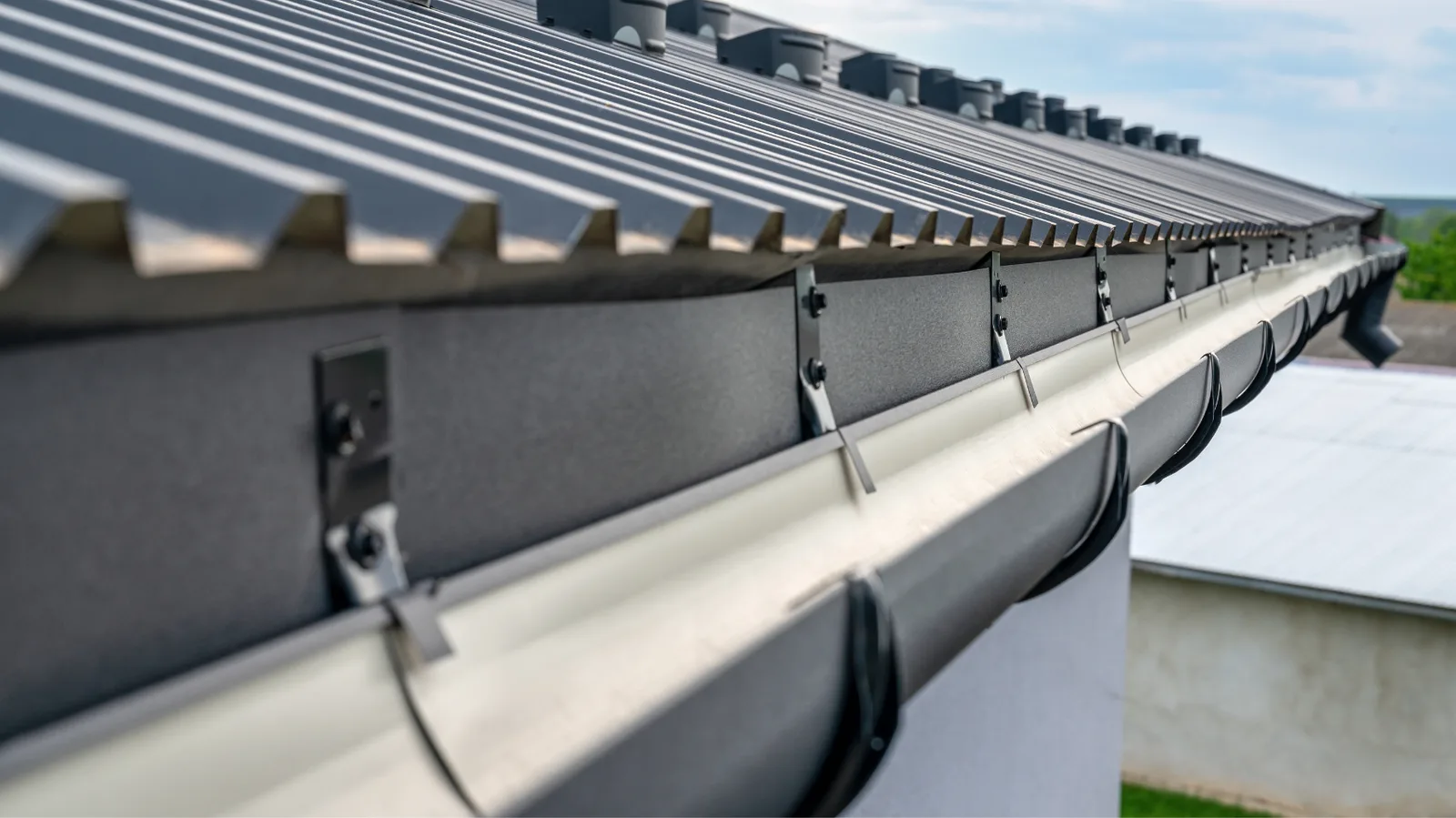
The roof continues to interact with other work and the weather after installation.
New rooftop equipment, a vent or another opening changes the roof detail. That work should remain compatible with the system and its terms.
An unsuitable patch can damage or contaminate existing roofing. The repair needs to suit the membrane or covering that remains.
Storm damage and a product defect are different causes. The insurance guide explains claim figures, while the actual warranty defines covered defects.
Compare the construction and appearance of available shingle types before treating a warranty headline as the material decision.