Sheathing and earlier patches
The deck needs to support the selected covering. Unsound boards or panels are a different part of the scope from the shingles above them.
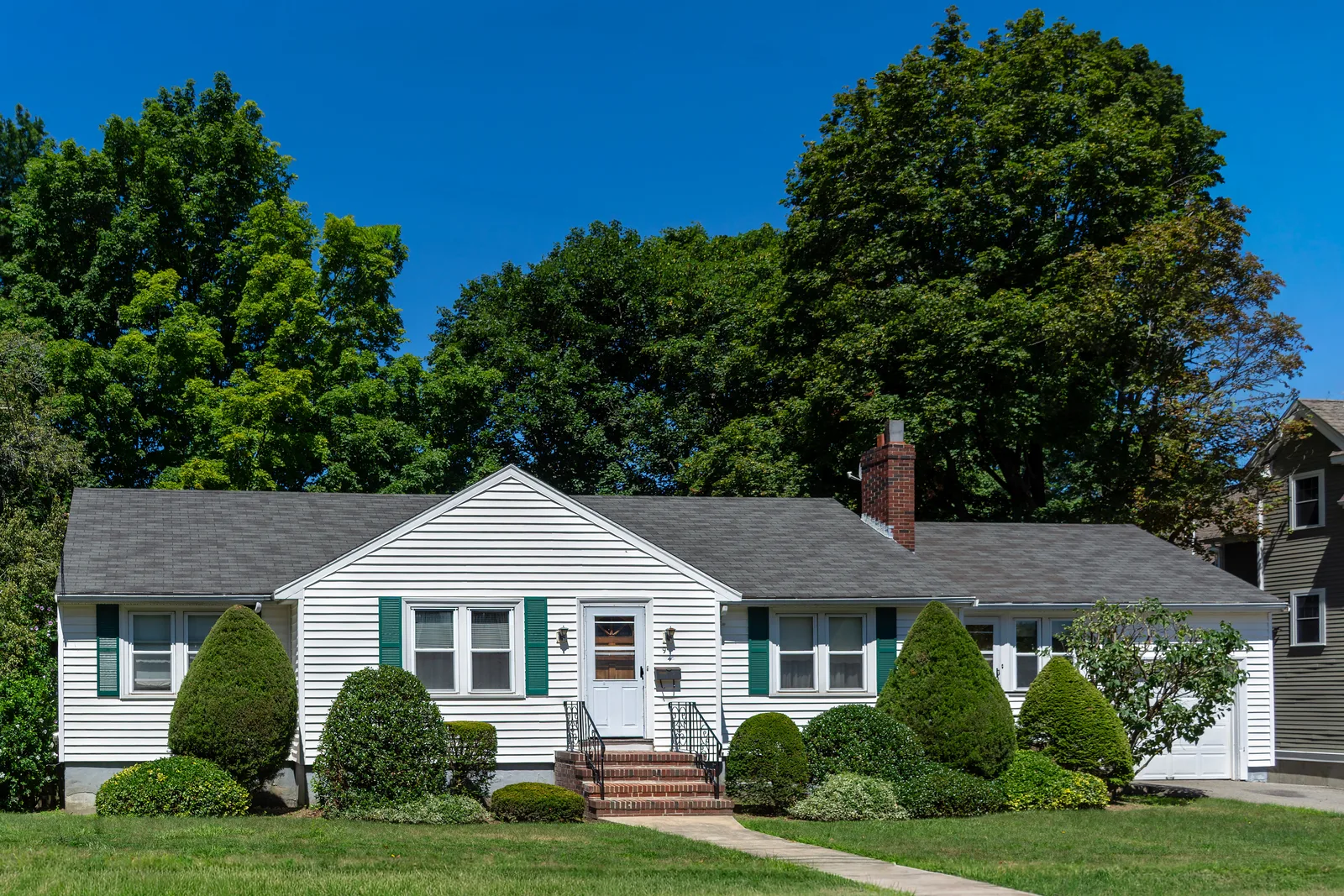
Roof repair, replacement and inspection help for Midwest City’s Original Mile. Give an older house’s roof a present-day look before deciding what it needs.
The Original Mile began as a 1940s wartime housing development. The neighborhood is bounded by SE 15th Street, SE 29th Street, Air Depot Boulevard and Midwest Boulevard. Those are development and planning facts, not a record of when each roof was installed.
For a house here, the useful roofing history is what remains on it today: an earlier replacement, a porch that became living space, or a repair that joined older material. A free inspection starts with that visible roof and follows its connections, rather than assuming it is worn out because the house is old.
Local context from the city’s Original Mile plan. Development era is not current roof age.
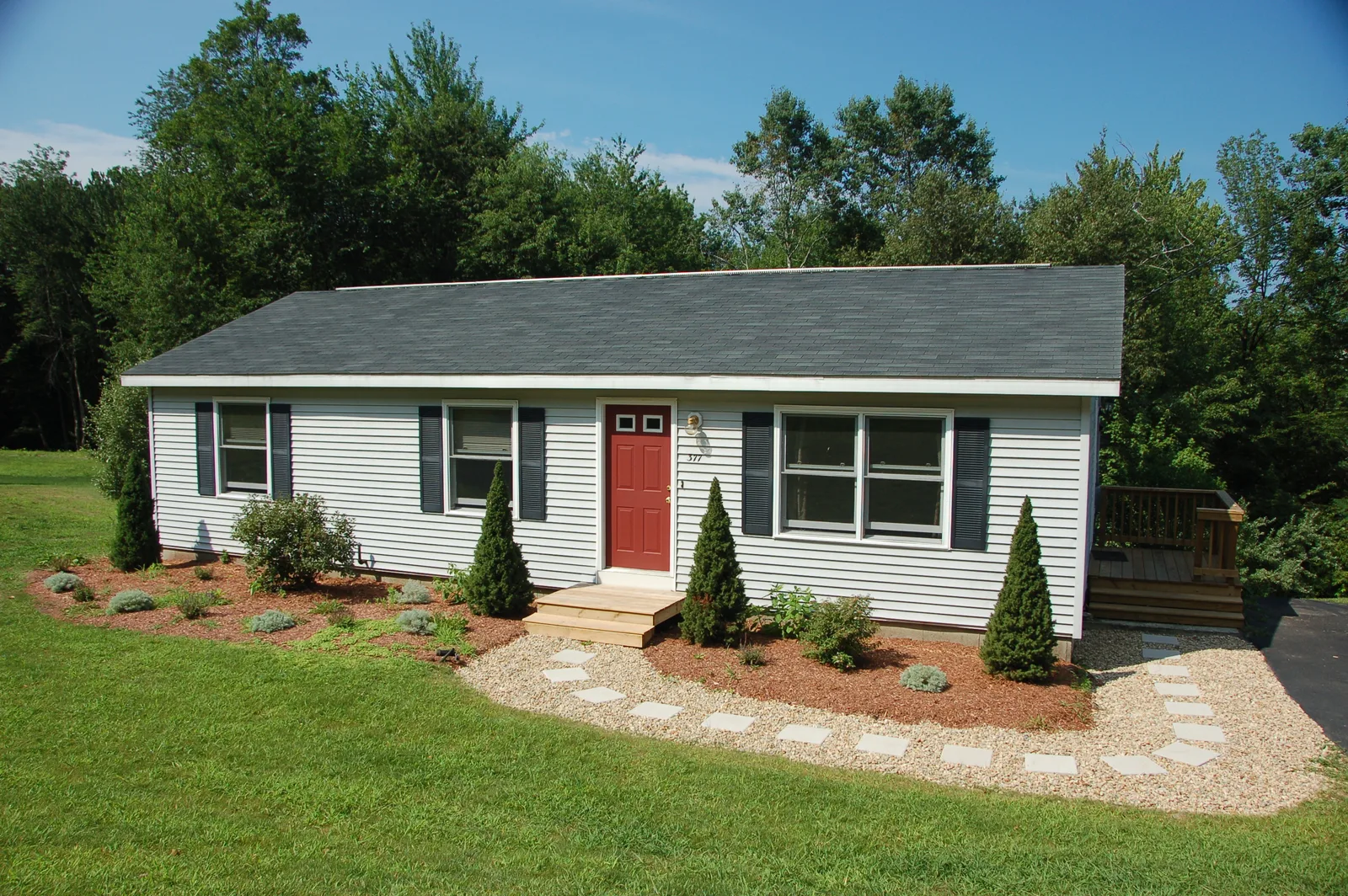
Old building history does not prove deck damage. Removal during a replacement does provide access to layers that have been hidden.
The deck needs to support the selected covering. Unsound boards or panels are a different part of the scope from the shingles above them.
An addition or enclosed space can change insulation and ventilation needs. Those changes should be considered together rather than adding vents without an air path.
The roof’s pattern and color affect an older home’s proportions. Shingle options explain construction and appearance without assuming a historic style requires one particular modern product.
An addition changes the way water meets the house. Where a lower roof runs into a wall, flashing has to carry water out over the covering. Where pitches change, the roofing material has to suit the lower slope rather than simply match the upper roof’s appearance.
If your house has one of those changes, a leak there calls for a look at the connection. Roof repair can address a failed detail when the material around it is sound. A surface patch cannot make an unsuitable low-slope covering drain differently.
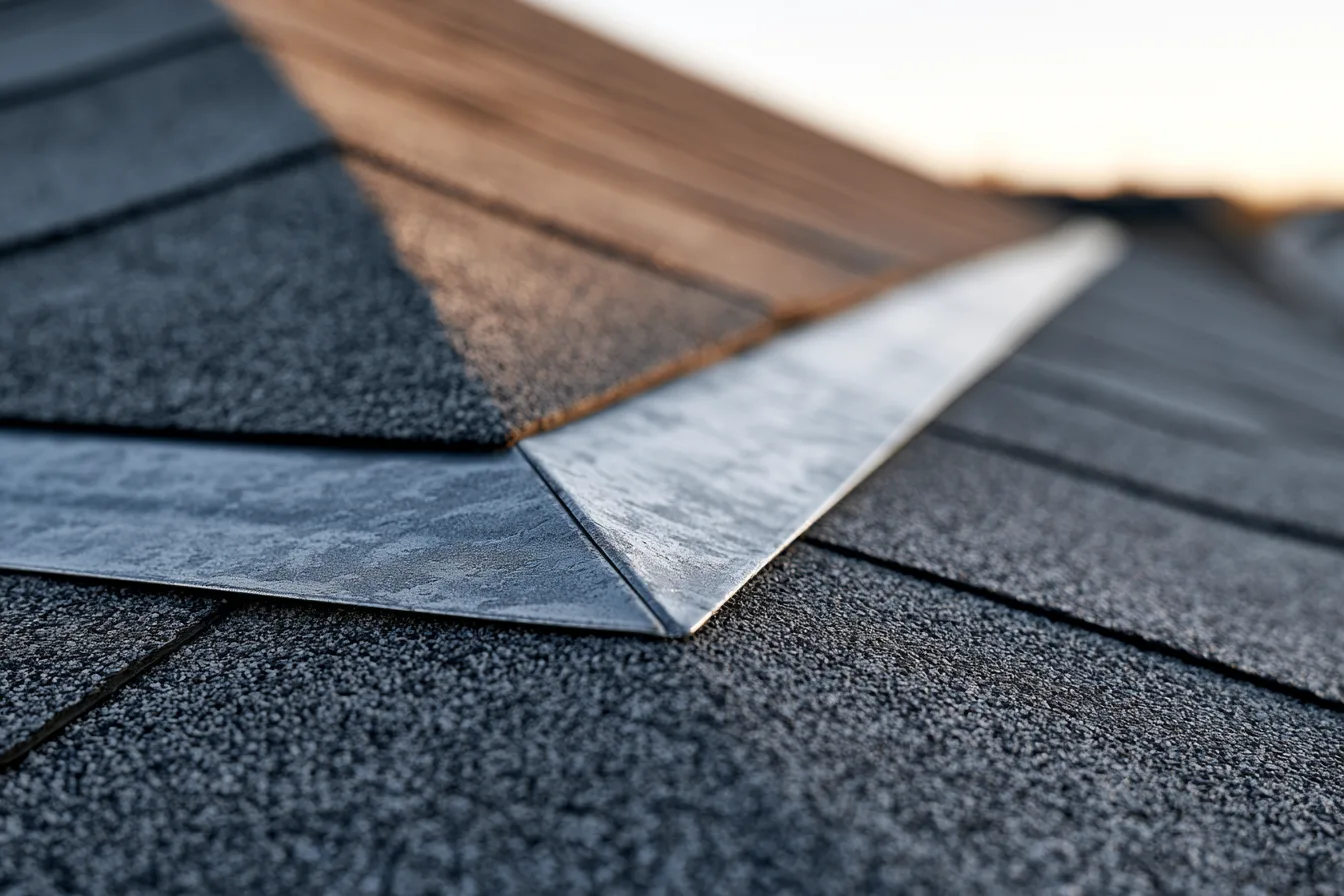
Its construction date cannot answer that. The covering may have been replaced several times, and different slopes can have different histories. Present condition and the ability to make a sound repair matter.
Exact color, size and product availability can limit a match. The repair still needs to fit the existing system correctly. A visible color difference is a separate question from whether the connection will shed water.
Midwest City publishes roofing requirements and a permit portal. Our roof permit guide puts the official links and scope questions in one place; a neighborhood name alone does not resolve the requirements for the work.
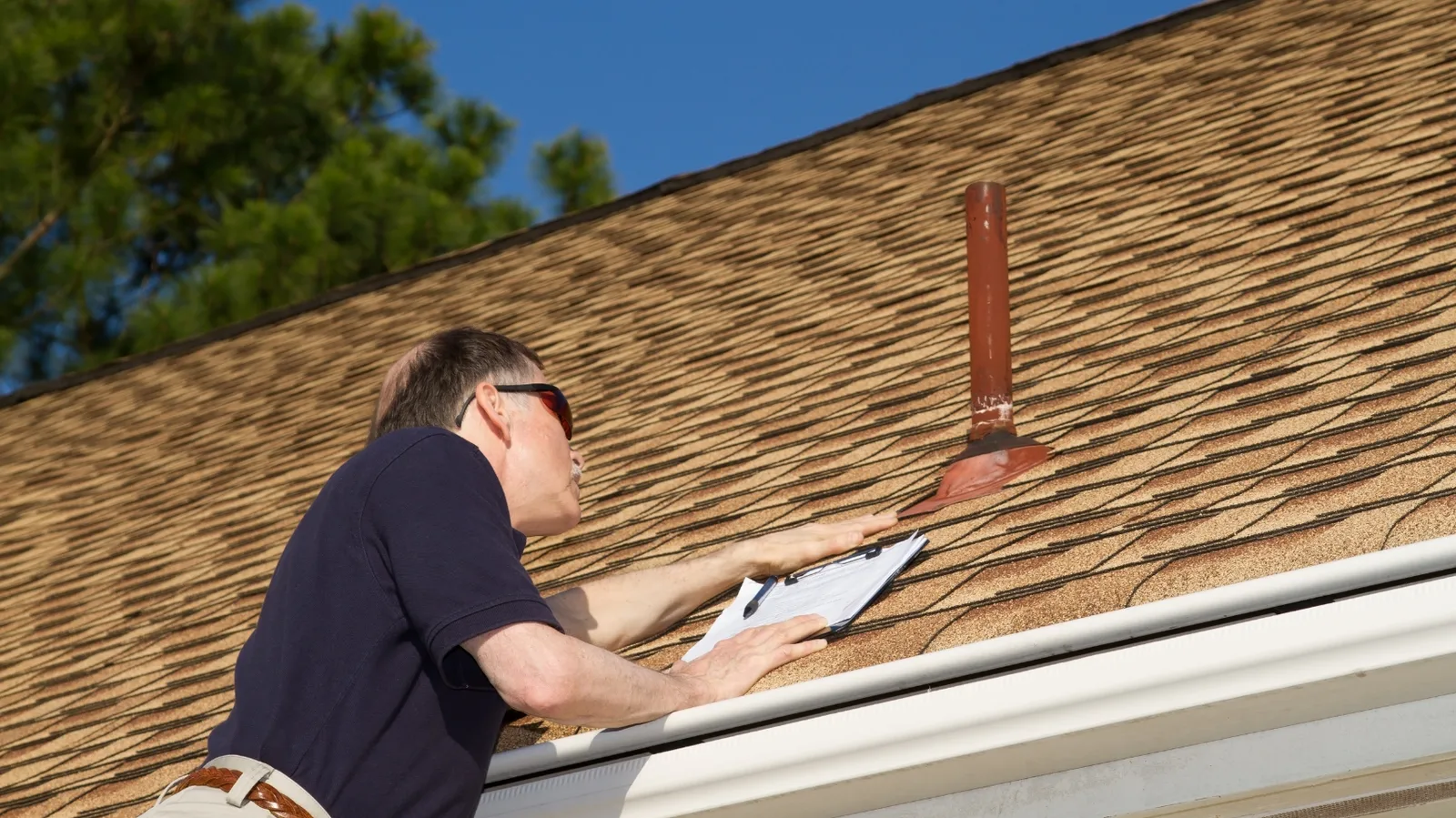
Tell us what you’ve noticed about your Original Mile property. Request a free roof inspection before choosing a repair or replacement.