Covering and underlayment
Shingles shed rain down the slope. The layer beneath them adds protection, but exposed underlayment is not a finished roof.
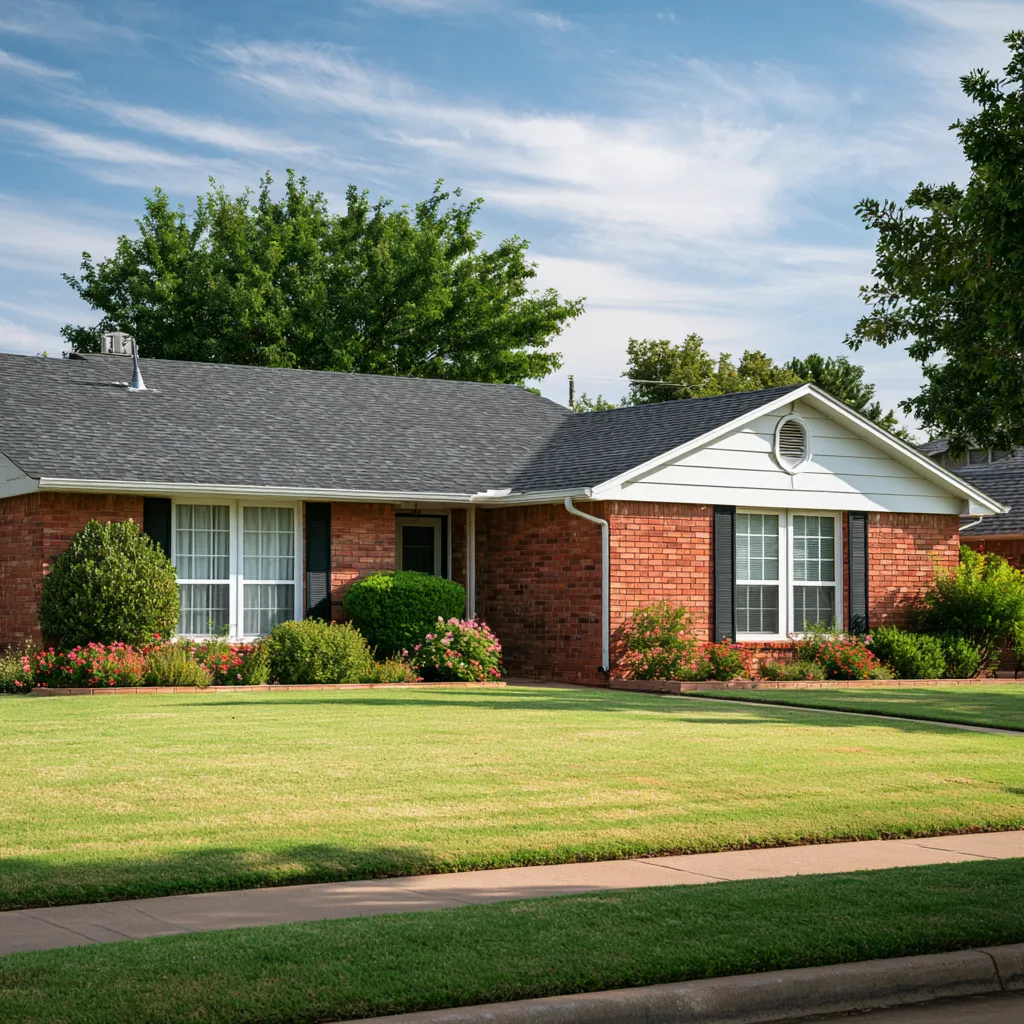
Roof repair, replacement, inspections and material choices for Midwest City homes. Start with the concern you have, even if you don’t know the roofing term for it.
A leak needs its entry point found. An old covering needs its present condition checked. A roof that looks different after a storm deserves a closer look before damage is allowed to spread. Those are different jobs, and they do not all end with a replacement.
A free roof inspection is a good starting point when the next step is unclear. A roofer walks the roof when conditions allow and looks at the covering and the details that keep water out together.

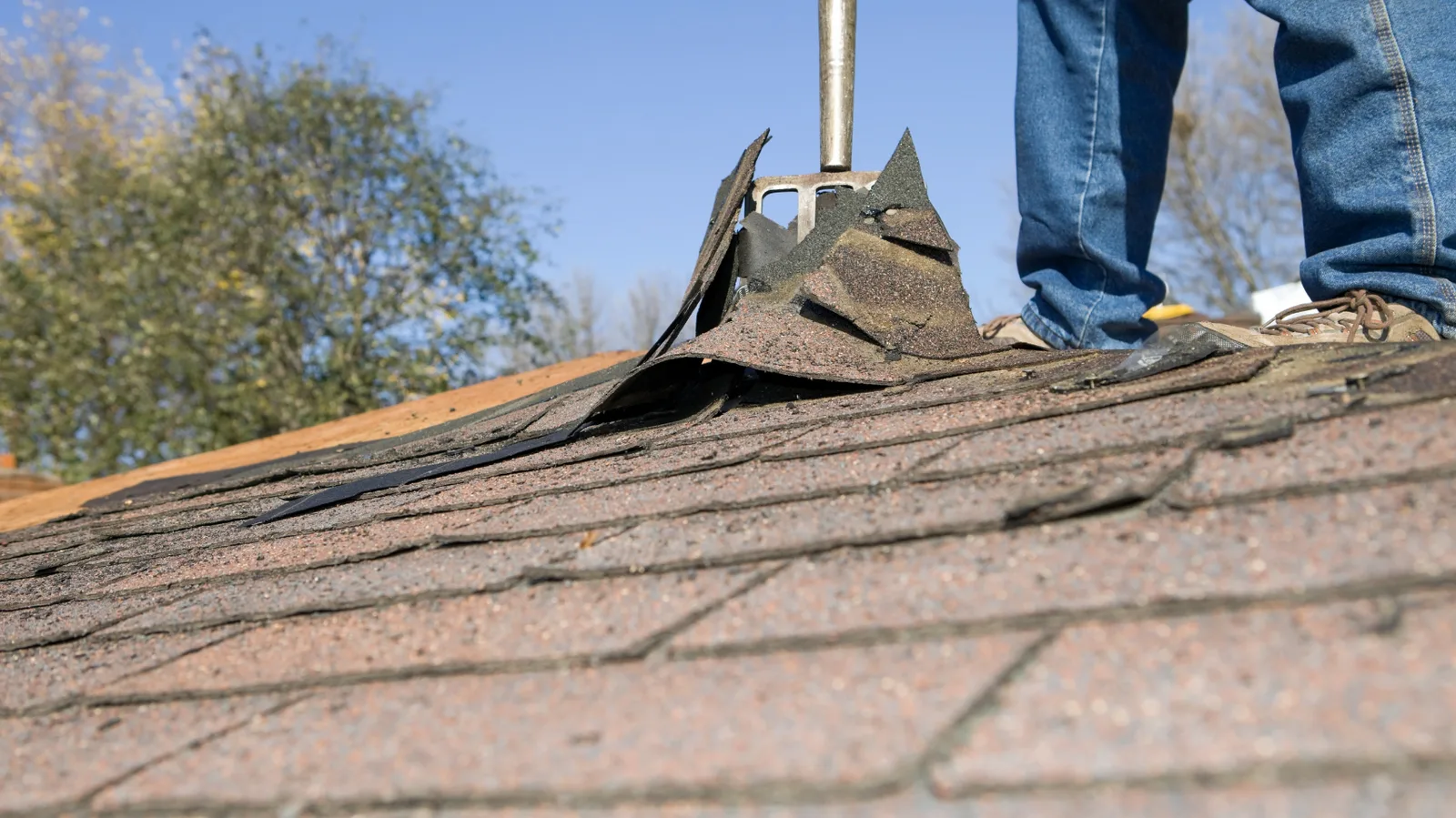
Renew a worn roof with the right covering and the details beneath it.
Address leaks, loose shingles and damaged flashing at their source.
Understand the roof’s condition before choosing a project.
Separate temporary protection, permanent repair and claim questions.
Compare 3-tab, architectural and designer shingles, then impact ratings.
Understand panel attachment, movement and the complete installation scope.
The visible covering does not work alone. A leak repair or replacement needs to account for the way the parts shed water together.
Shingles shed rain down the slope. The layer beneath them adds protection, but exposed underlayment is not a finished roof.
Metal or membrane details bridge walls, pipes and roof changes. Covering a gap with sealant does not replace a sound flashing connection.
The deck supports the covering. Intake and exhaust ventilation help manage attic air; blocked intake is not cured by adding an exhaust vent alone.
Find system-specific help for low-slope repairs, TPO assemblies and roof restoration. Building use and drainage belong in the scope from the start.
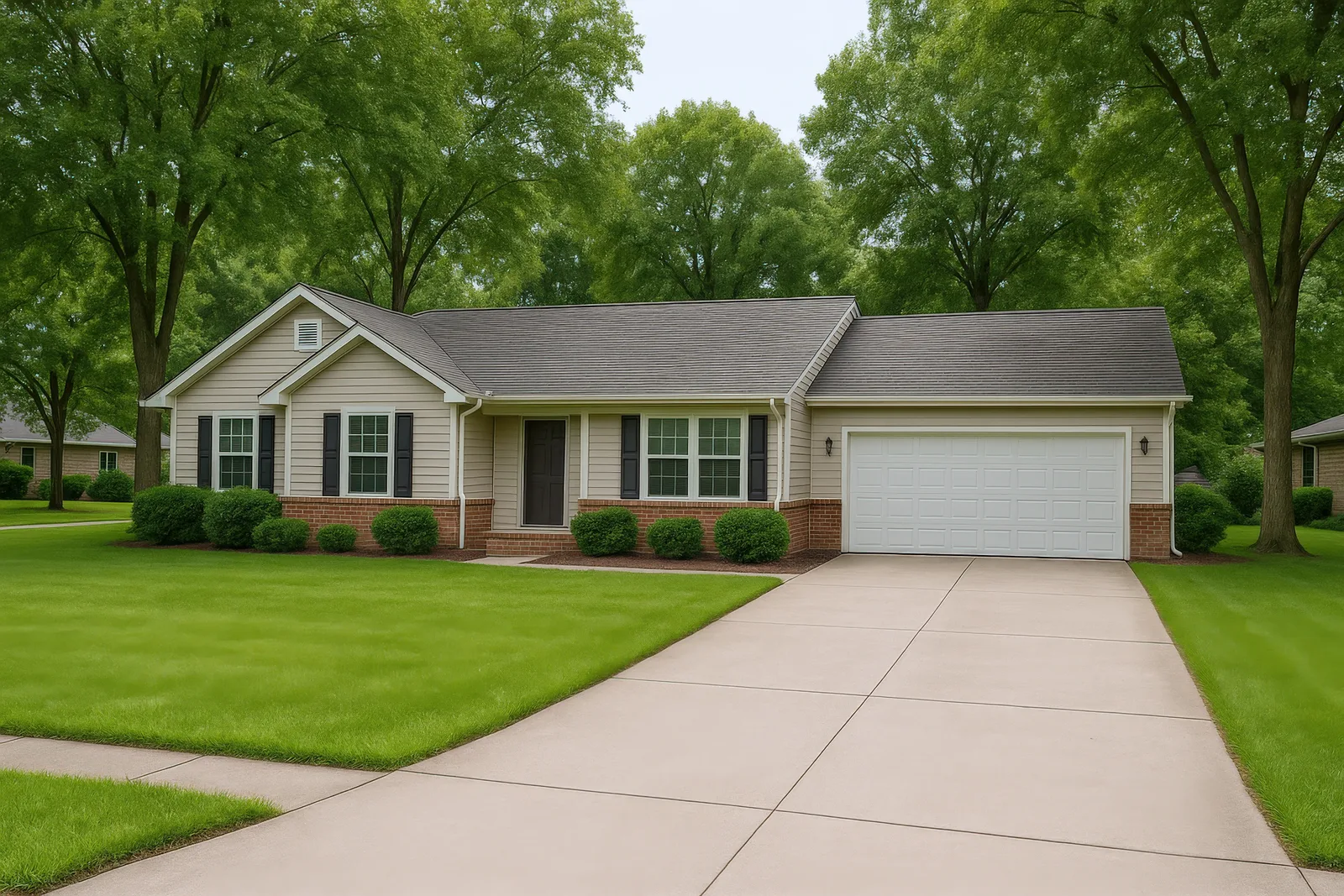
A free inspection can help turn an uncertain roofing problem into a sensible next step.